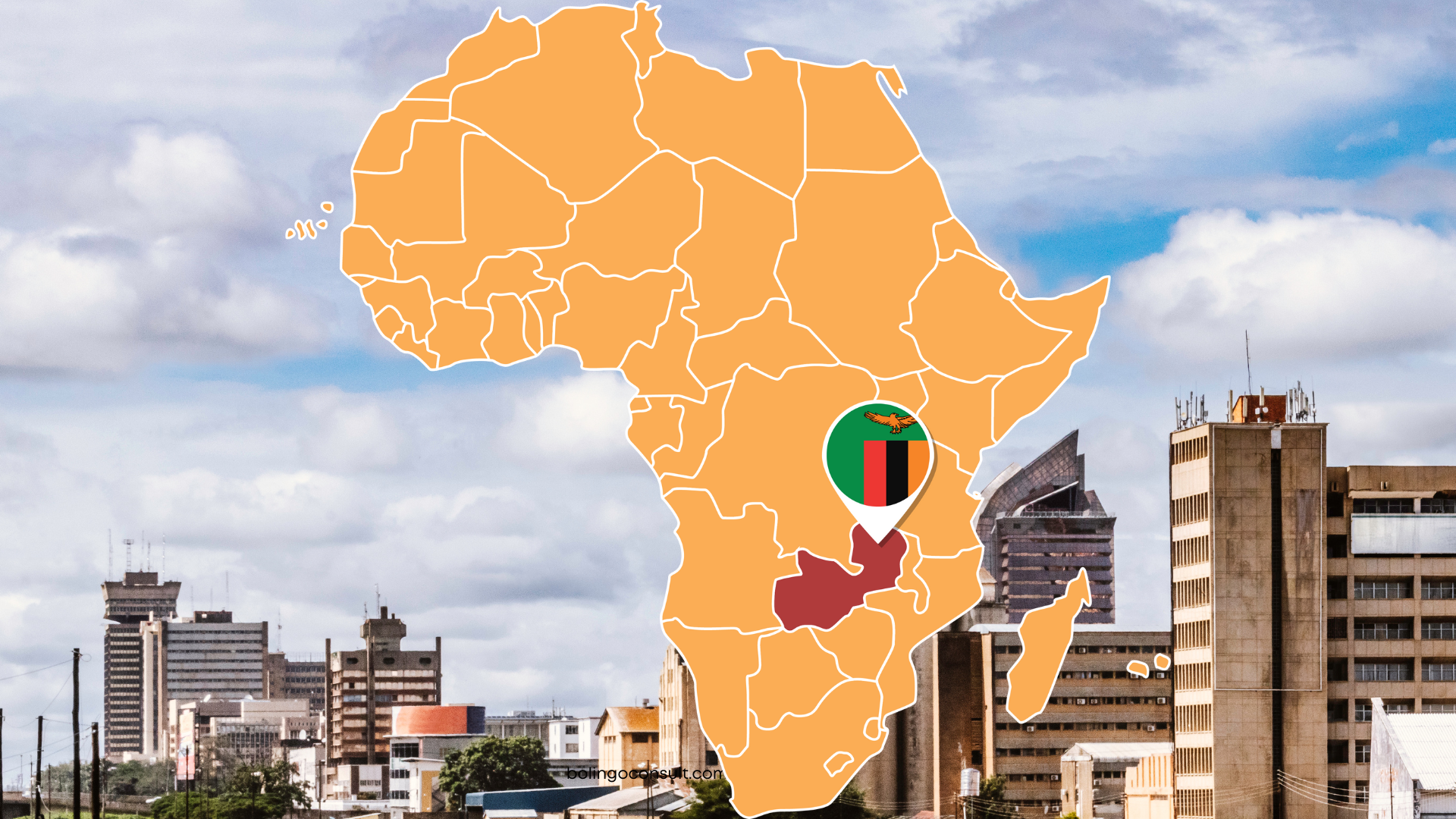

With over 70 indigenous languages spoken across the country, Zambia is embracing its multilingual identity as a valuable asset rather than a challenge. In 2025, Zambia is undergoing a quiet but powerful transformation, one that is being led not by infrastructure or foreign investment, but by language. This shift is having a profound effect on nearly every facet of Zambian life, including business, education, media, healthcare, and digital technology. At the heart of this movement is the recognition that language is more than just a tool for communication; it is the vessel of culture, identity, and access.
Although English remains the official language of Zambia, used in education, government, and formal business settings, it is not the first language of the population, just as in other African countries. In fact, most Zambians grow up speaking one or more of the seven major indigenous languages, Bemba, Nyanja, Tonga, Lozi, Kaonde, Luvale, and Lunda, each of which plays a vital role in daily life.
For years, these languages were sidelined in official discourse. However, this is changing as both the government and private institutions begin to see the benefits of engaging citizens in the languages they speak at home. This change has ushered in a new era of localization, one where policies, platforms, and products are tailored to the linguistic realities of the people they serve.
Communicating for Better Health Outcomes
In a country where access to accurate medical information can mean the difference between life and death, language barriers have long posed a serious problem. Recent campaigns are now focused on translating crucial health information, particularly around cancer awareness, into local languages. These efforts are not merely about translation but about culturally appropriate communication. Health messages that are understood clearly and resonate culturally are far more effective in creating lasting behavioural change.
For instance, the “First 1000 Most Critical Days Programme” in Zambia stands as a prime example of targeted health communication in local indigenous languages. This national initiative, focused on maternal and child health and nutrition, recognized the necessity of translating complex health discourse into languages like Bemba, Nyanja, Lozi, and Tonga to reach grassroots communities.
By employing Community Health Workers (CHWs) and relying on local language for counseling, the program ensured that critical messages—such as the importance of exclusive breastfeeding for the first six months and proper maternal nutrition—were conveyed effectively.
The success of this approach hinged on the use of intralingual translation and cultural mediation to make technical medical information relatable and actionable within a household context, directly contributing to improved health and survival outcomes for vulnerable mothers and infants.
Explore Bolingo Consult’s Medical Translation Services for precision, care, and cultural competence.
Business and Digital Markets Go Local
In the business world, Zambia’s growing digital economy is prompting a reconsideration of how companies communicate with consumers. With e-commerce set to reach $2.3 billion by 2029, businesses that invest in localizing their services into regional languages are positioning themselves for greater market penetration. From mobile money platforms to online retail, companies are beginning to understand that trust and usability increase when customers can navigate interfaces in their mother tongues. This is not just good ethics, it’s good business.
Technology and Indigenous Language Preservation
Meanwhile, technology is playing a critical role in the preservation and promotion of indigenous languages. Initiatives like “Zambezi Voice,” which has developed multilingual speech datasets for languages such as Bemba, are laying the groundwork for language technologies tailored to Zambian linguistic realities. These open-source tools will eventually support speech recognition, voice-assisted services, and even AI in local languages, making the digital space more inclusive and representative of Zambia’s linguistic richness.
Lingering Challenges to Inclusivity
However, this progress is not without its challenges. Localizing at scale requires a significant investment in translation resources, including trained linguists, standardized writing systems, and funding for content creation. English still dominates the official spheres, and many indigenous languages remain under-resourced and vulnerable to decline. For localization to be meaningful and sustainable, it must be accompanied by long-term policies that invest in language education, develop orthographies where they are missing, and promote pride in multilingual identity.
Language as a Bridge to Inclusion
Despite these challenges, Zambia is showing the rest of the continent, and the world, that embracing linguistic diversity is not an obstacle to modernization but a catalyst for inclusive development. The localization movement in Zambia is proof that people engage more fully, learn more effectively, and participate more confidently when they are addressed in the language of their thoughts and dreams. As Zambia continues to integrate local indigenous languages into every part of public life, it is not only preserving its cultural heritage but also building a more equal and connected society.