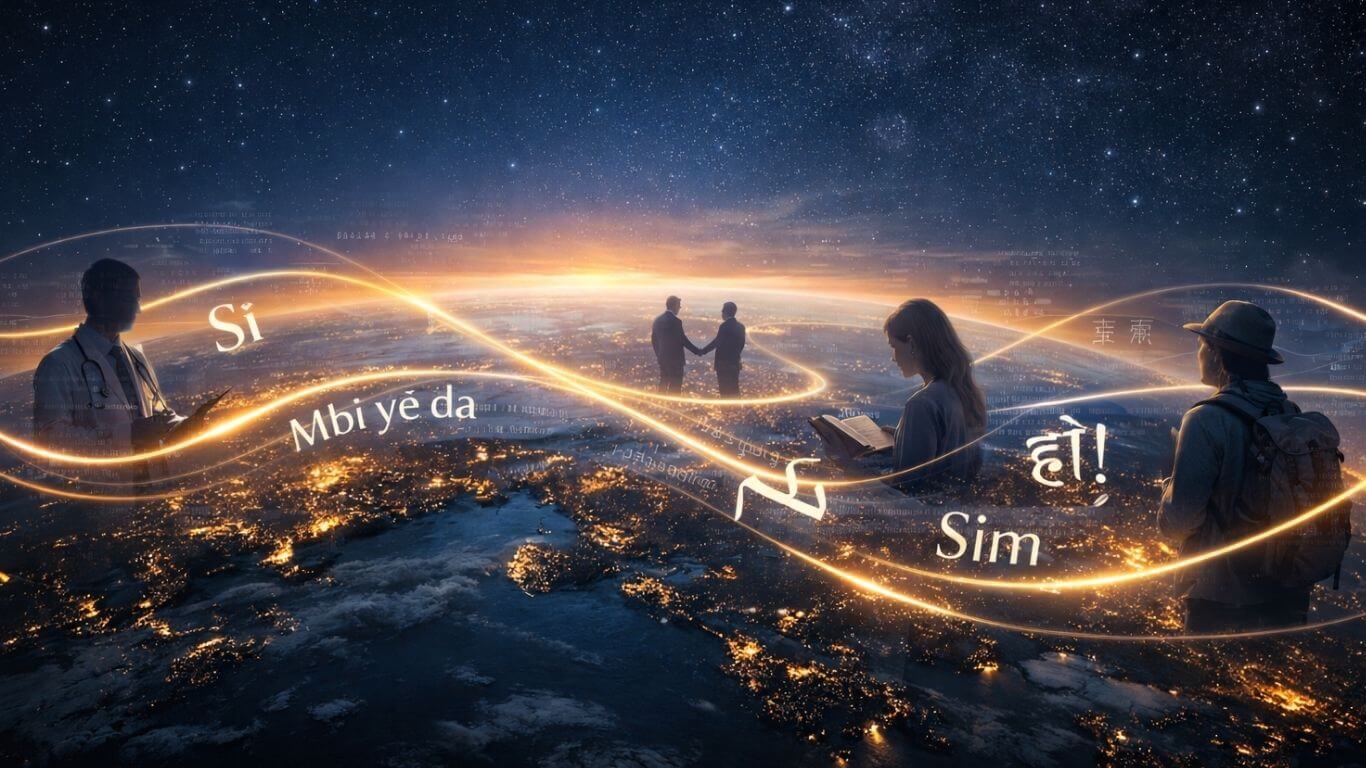

Translation influences almost every aspect of modern life, though it often works quietly in the background. It enables understanding to transcend geographical, cultural, and ideological divides, connecting everything from sacred scripture to urgent storm advisories, and from artistic verse to medical diagnostics. Translation serves the masses and the millionaires alike, ensuring that information, ideas, and intentions are understood as they were meant to be.
At its core, translation is about access. Sacred texts reach worshippers across continents because they have been translated with care and reverence. Emergency alerts save lives because warnings about storms, floods, or disease outbreaks are rendered clearly in local languages. Without it, critical messages would remain locked within linguistic boundaries, accessible only to a few.
It also gives voice to power and to the people. The words of dictators and diplomats, princes and celebrities, are translated for global audiences who need to understand not just what is said, but what is meant. Political speeches, treaties, and policy statements rely on accurate translation to prevent misunderstandings that could escalate into conflict. A single mistranslated phrase can strain diplomatic relations, while a well-crafted translation can help build trust and cooperation between nations.
Beyond politics, translation drives culture and commerce.Books, films, music, and poetry travel the world because translators bridge the gap between languages and cultures. A novel written in one corner of the world can move readers thousands of miles away, not because they share a language, but because translation makes emotional and cultural resonance possible. In this way, it preserves artistic integrity while allowing creativity to circulate freely.
Translation as a Force Behind Globalization
Globalization, with its increasing interconnectedness driven by factors like conflicts, crises, economic challenges, and shared concerns, makes translation indispensable. Precise language is essential for contracts, trade agreements, marketing campaigns, and technical manuals.
Businesses expanding into new markets rely on translation to communicate their value, comply with regulations, and earn consumer trust. From multinational corporations to small exporters, translation enables economic participation on a global scale, making it no exaggeration to say that global trade would stall without it.
Translation also plays a vital role in health and safety. Medical reports, clinical trial data, pharmaceutical instructions, and public health advisories must be translated accurately to protect lives. During disease outbreaks, translation ensures that prevention measures and treatment guidelines reach diverse populations quickly and clearly. From routine medical screenings to complex surgical procedures, it supports informed decision-making and patient care.
Its reach extends into areas both ordinary and extreme. Legal proceedings, immigration documents, aviation manuals, and security briefings all rely on translators who understand the weight of their responsibility. In these contexts, translation is not just about language; it is about precision, ethics, and accountability.
What makes translation so powerful is its universality. It touches the daily life of a bus driver navigating foreign routes and a football player signing an international contract. It supports education, governance, science, and storytelling. Yet despite its influence, translation often remains invisible, noticed only when it fails.
In a world that is increasingly interconnected, translation is not a luxury or an afterthought. It is a foundational service that fuels understanding, prevents conflict, supports public health, and sustains global exchange.
Whether shaping belief, protecting lives, or enabling dialogue, translation continues to quietly influence everything around us, every word, every warning, and every story that crosses a border.