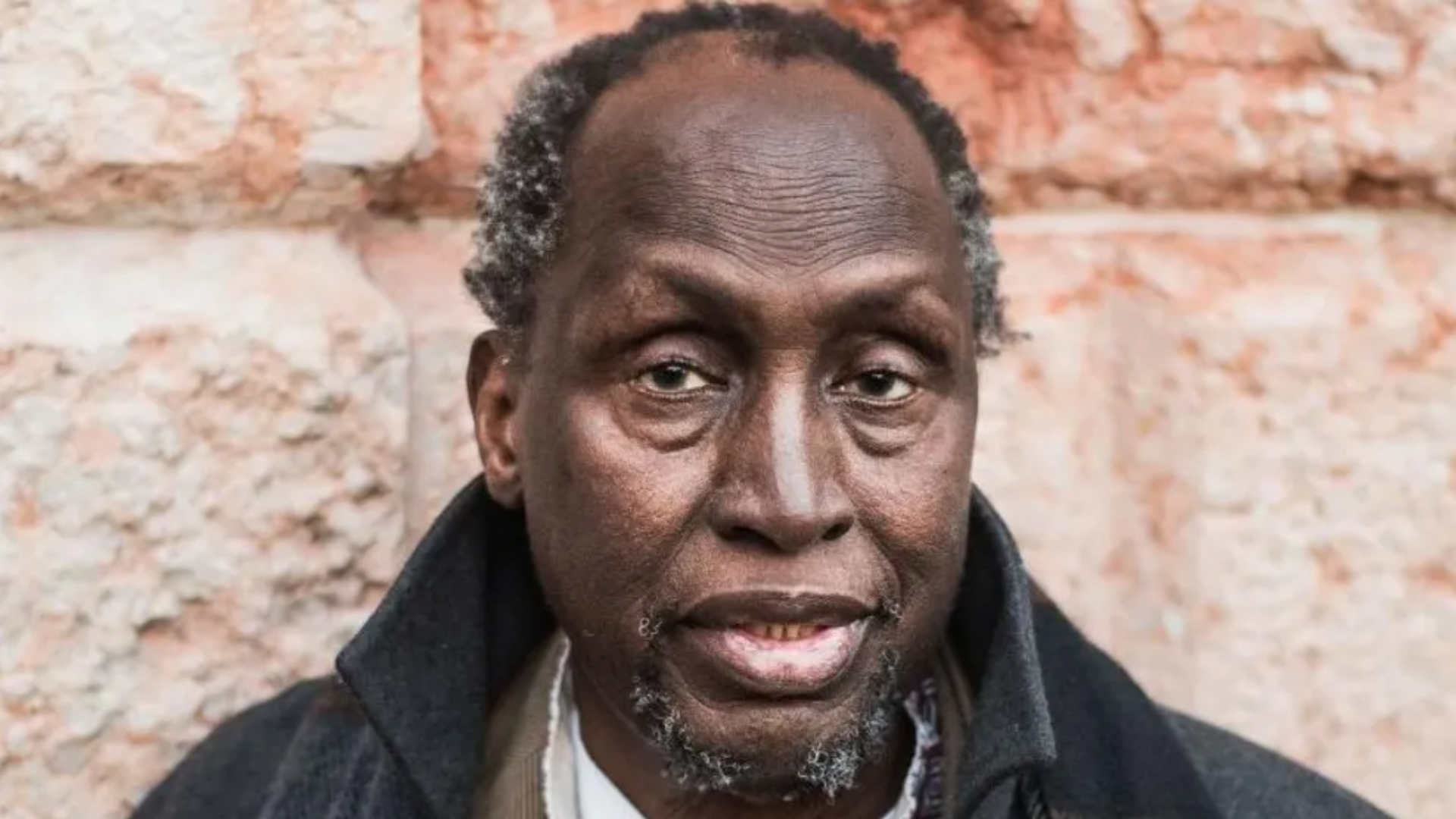

Ngũgĩ wa Thiong’o, the legendary Kenyan writer, academic, and language activist, spent decades championing the use of African languages, especially his mother tongue, Gikuyu. His work was a loud and clear call to Africans: your languages matter, your stories matter, and your way of thinking about the world should not be filtered through the lens of colonial languages like English or French.
When we talk about localization in Africa, we’re not just talking about translating a website or product into a local language. Localization is deeper than that; it’s about making things truly relevant to local people, cultures, values, and ways of life. And if there’s one person who dedicated his life to proving how important localization is for African societies, it’s Ngũgĩ wa Thiong’o.
What Is Localization, Really?
Let’s break it down. Localization is about making things fit the local context; this can mean using a local language, but it also means respecting local customs, beliefs, and ways of thinking. For example, in Kenya, speaking Swahili or Gikuyu instead of English helps people express themselves more naturally and engage more fully in political, cultural, and even economic life.
Ngũgĩ saw this clearly. He believed that language is not just a tool for communication; it is a carrier of culture. If people lose their language, they start to lose the way they think, relate to others, and understand the world. That’s why he made the bold choice in the 1970s to stop writing in English and switch to Gikuyu.
From English to Gikuyu: A Political and Cultural Shift
Ngũgĩ’s early novels, like Weep Not, Child and The River Between, were written in English and became international hits. But as he became more politically aware, he realized something troubling: while he was telling African stories, he was still using the language of the colonizer.
In 1977, he made a radical decision: he would no longer write in English. He believed writing in African languages would help break the chains of colonial thinking. His first Gikuyu novel, Caitaani Mutharaba-Ini (Devil on the Cross), was famously written on toilet paper while he was in prison for speaking out against the government.
This moment marked a turning point not just for him, but for the broader conversation about African languages. He argued that no nation can fully develop if it ignores its own languages. His essays in Decolonising the Mind made it clear: for Africa to rise, it must reclaim its languages and its narratives.
Localization Through Theater and Community Work
Ngũgĩ didn’t stop at books. He also took localization to the stage, literally. He co-founded the Kamiriithu Community Education and Cultural Centre in his hometown of Limuru. The center became famous for putting on plays in Gikuyu that tackled everyday struggles like poverty, land grabbing, corruption, and inequality. The most famous of these plays, Ngaahika Ndeenda (I Will Marry When I Want), attracted massive crowds, with over 10,000 people attending performances. It was a grassroots theater project that used local language and storytelling traditions to empower ordinary people. But the government saw it as a threat and shut it down.
That’s because Ngũgĩ was doing something powerful: he was making knowledge and political ideas accessible to people in their own language, on their own terms. That is the heart of localization.
Why His Work Still Matters Today
Ngũgĩ’s message is more important now than ever. Across Africa, people are still grappling with the dominance of English, French, and Portuguese in schools, government, business, and the media. In Kenya, for example, most school children are taught in English from an early age, even though they speak Swahili or Gikuyu at home. This creates a gap between learning and real life.
Ngũgĩ argued that this gap holds back true development. When people are educated in a foreign language, they often learn to imitate rather than innovate. But when they learn in their mother tongue, they can think more clearly, create more freely, and build solutions that actually fit their communities. This is the true meaning of localization: making sure people don’t have to “translate themselves” in order to be heard, valued, or successful.
A Role Model for Language Activism in Africa
Ngũgĩ wa Thiong’o inspired a new generation of African writers, educators, and thinkers to take pride in their languages. Countries like Tanzania have long used Swahili as the national language of instruction, but many others are now catching up, implementing policies that promote multilingual education and cultural preservation.
His work also inspired translation movements across the continent. Books are now being translated into Zulu, Yoruba, Hausa, Amharic, and many others, not just from English, but also from one African language to another. This is localization in action: creating a web of African knowledge systems that don’t depend on the West for validation.
Localization Is Not Just About Language
Ngũgĩ always reminded us that localization is not just about language; it’s about dignity. It’s about telling African stories in African voices. It’s about letting people see themselves as the heroes of their own narratives. And most importantly, it’s about giving people the tools to shape their own futures.
From the slums of Nairobi to the classrooms of Cape Town, localization means giving power back to the people. Ngũgĩ showed us that this is not only possible; it is necessary.
Honoring His Legacy
Ngũgĩ wa Thiong’o passed away in May 2025, but his legacy lives on. He wasn’t just a writer. He was a freedom fighter who used words instead of weapons. He challenged Africans to think deeply about the languages they use and the cultures they celebrate.
His life reminds us that localization is about more than changing words; it’s about changing minds. It’s about making sure that when we build Africa’s future, we do it in our own voice.
Ngũgĩ’s message to Africa was simple: we are enough. Our languages are enough. Our stories are enough. And by valuing them, we can create a future that truly belongs to us.