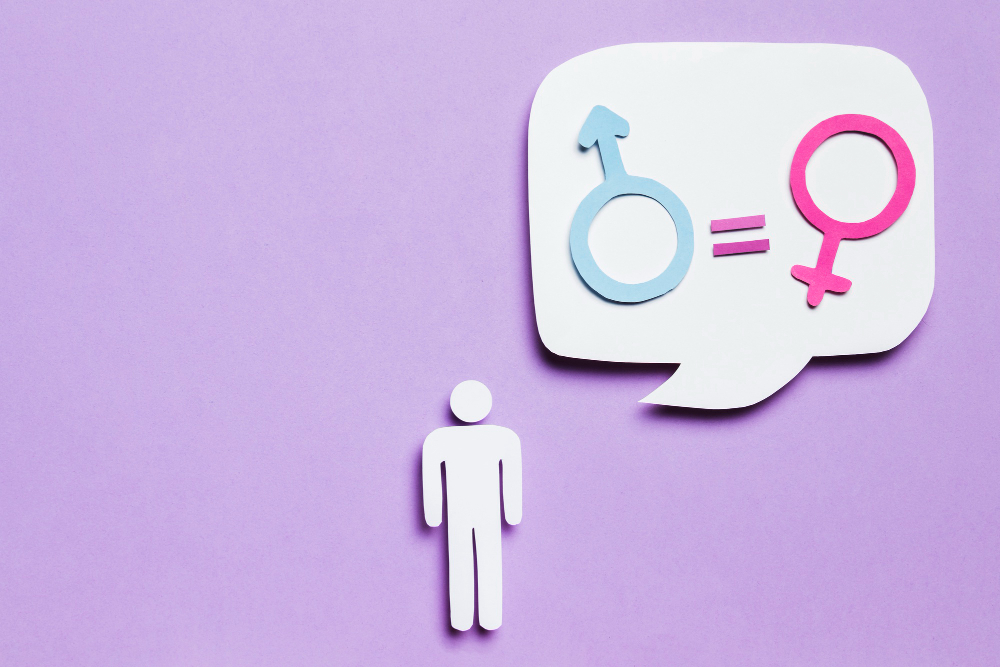

Language serves as a powerful tool for communication, but its influence extends far beyond mere conveyance of information. It plays a pivotal role in shaping gender identity and perpetuating societal norms regarding gender roles. Through vocabulary choice, speech patterns, and conversational styles, language contributes significantly to the construction and reinforcement of gender identity and social roles within a culture.
By understanding the power of language, we can make conscious choices about the words we use, contributing to a more inclusive and equitable world where individuals feel empowered to express their authentic gender identities. Let’s get started!
Role of Language in Shaping Gender Identity
Now let’s delve into these roles deeper.
1. Vocabulary Choice
One of the most apparent ways in which language relates to gender identity is through vocabulary choice. Sociolinguistic studies have consistently highlighted differences in the words and phrases used by different genders. For example, certain occupations or activities may be associated more strongly with one gender over another, leading to the usage of gender-specific terms. This linguistic differentiation not only reflects societal gender norms but also reinforces them by perpetuating stereotypes about the roles and capabilities of men and women.
Furthermore, language often includes gendered terms that serve to categorize individuals based on their gender identity. Pronouns such as “he” and “she” assign gender to individuals within conversations, reinforcing the binary understanding of gender prevalent in many cultures. The absence of gender-neutral pronouns in some languages can further marginalize individuals whose gender identities do not align with traditional norms.
2. Speech Patterns
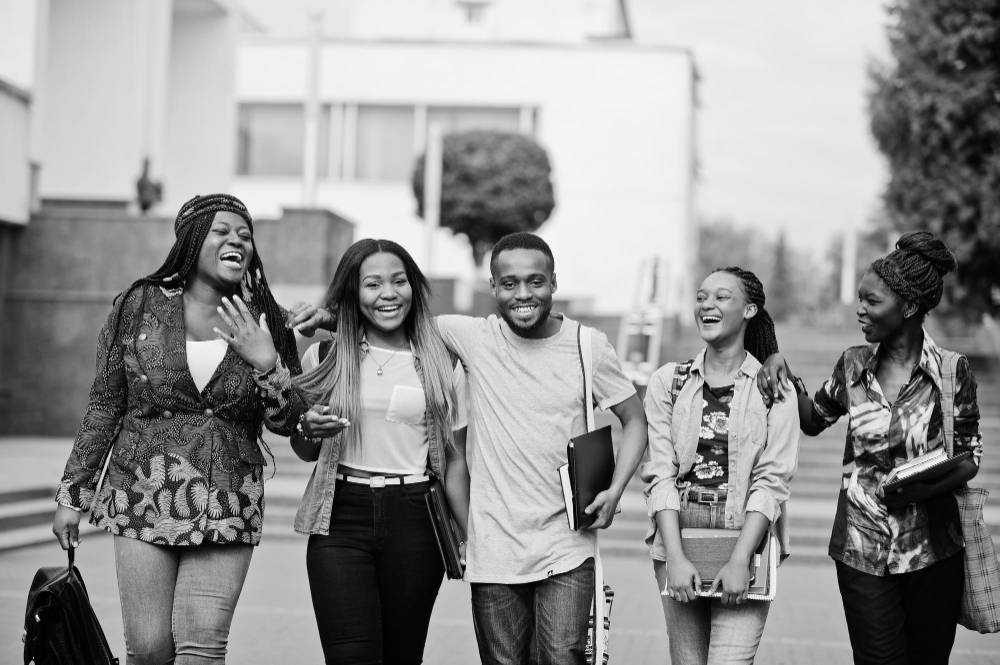
Speech patterns also play a crucial role in the relationship between language and gender identity. Studies have shown that men and women may exhibit different intonation patterns, speech rates, and use of filler words. These differences in speech patterns are often influenced by societal expectations regarding gender roles. For instance, men may be socialized to speak with greater assertiveness and authority, using a lower pitch and fewer pauses or filler words. Women, on the other hand, may be encouraged to adopt a more supportive and collaborative communication style, potentially characterized by rising intonations, variations in pitch, and more frequent use of filler words like “um” or “like.”
Importantly, these speech patterns are not fixed or biologically determined. They are learned behaviors that reflect cultural norms. Individuals across the gender spectrum can and do adopt speech patterns that defy traditional expectations, further demonstrating the dynamic and socially constructed nature of language and identity.
3. Conversational Styles
Conversational styles provide another lens through which to examine the intersection of language and gender identity. Men and women often engage in conversations differently, reflecting broader societal norms regarding gender roles. Women are often socialized to prioritize building rapport and fostering connections in their interactions, using language to create intimacy and find common ground. Men, conversely, may focus more on asserting dominance and authority, employing language as a tool for competition and conveying expertise. These conversational styles not only reflect existing gender norms but also contribute to their perpetuation by reinforcing stereotypes about the appropriate ways for men and women to communicate.
It’s crucial to remember that these are generalizations, and individuals can exhibit conversational styles that challenge traditional gender expectations. By becoming aware of how language choices within conversational styles can subtly reinforce or challenge gender norms, we gain a greater understanding of how our communication shapes the world around us.
4. Impact on Social Roles
The relationship between language and gender identity extends beyond individual interactions to influence broader social roles within a culture. By perpetuating stereotypes and reinforcing binary understandings of gender, language can limit the opportunities available to individuals and constrain their ability to express their identities authentically. Moreover, the language used to describe and discuss gender-related issues can shape public perceptions and attitudes, impacting policies and practices that affect individuals’ lived experiences.
Conclusion
In conclusion, language plays a multifaceted role in shaping gender identity and contributing to the construction of social roles within a culture. Through vocabulary choice, speech patterns, and conversational styles, language both reflects and reinforces societal norms regarding gender. By recognizing the power of language in shaping perceptions of gender and challenging traditional understandings of gender roles, we can work towards creating more inclusive and equitable societies where individuals are free to express their identities without fear of judgment or discrimination.
You may be interested in this blog post also Language localization in multilingual and multi dialect societies in Africa