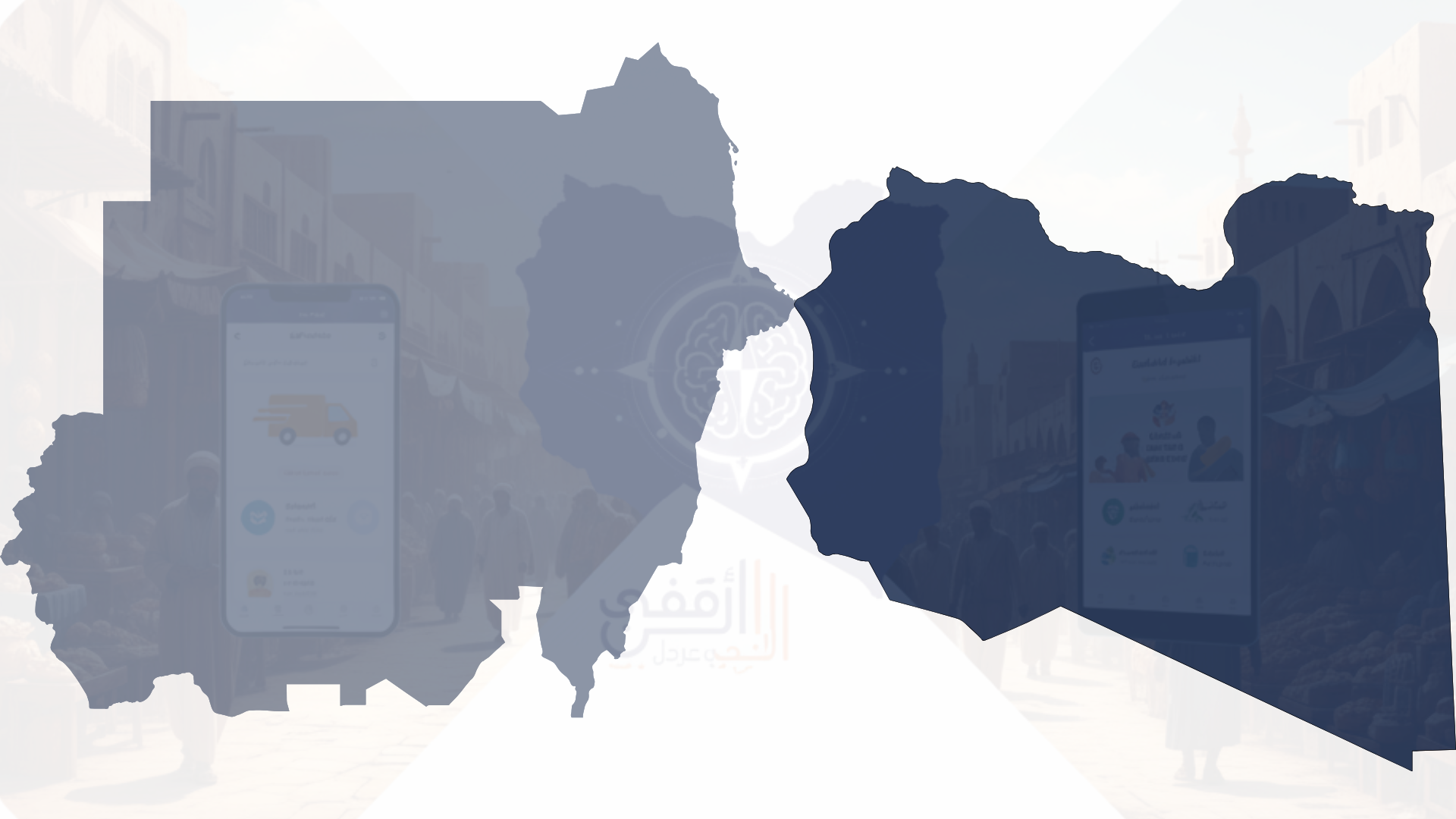

In the business world, language is more than just a tool—it’s a gateway. In Libya and Sudan, where Arabic dominates public life, religion, and government, one might assume that localization is simple: use Arabic, and you’re all set. But that assumption couldn’t be further from the truth. In both countries, localization isn’t just about Arabic—it’s about how Arabic is used, which Arabic is used, and who gets to decide what feels local, trustworthy, and authentic.
After years of political instability and economic issues, Libya and Sudan are navigating complex recoveries. Yet amid the chaos, there’s one quiet shift happening in business and digital communication: the realization that speaking to people in a way that feels familiar, respectful, and rooted in their daily lives is more powerful than ever.
So here’s the big question: If you’re developing a product or launching a service in Libya or Sudan, do you know how your Arabic sounds to the people you’re trying to reach?
Arabic in Theory vs. Arabic in Reality
Arabic in both Libya and Sudan isn’t a one-size-fits-all situation. Yes, Modern Standard Arabic (MSA) is the formal language of media, education, and official documents. But in real life, most people speak in dialect—Libyan Arabic or Sudanese Arabic, each rich with slang, cultural references, and regional variations. And when it comes to localization, MSA often feels too stiff and distant. It’s the language of formal speeches, not WhatsApp messages or mobile apps.
Take Sudan, for example. A health NGO trying to spread awareness about vaccinations discovered that messages in Modern Standard Arabic were less likely to be shared than those written in Sudanese colloquial Arabic. Why? Because the formal tone felt like a lecture, while the dialect felt like a neighbor talking. In Libya, a fintech startup recently tested two ad campaigns: one in MSA and one in the local dialect. The latter outperformed the former by nearly 40% in engagement. The message was clear: localization isn’t just translation—it’s tone, rhythm, context, and familiarity.
The Latest Trends: How Businesses Are Localizing
As of 2025, localization in Libya and Sudan is getting smarter. Here’s how:
- Dialect-Friendly Platforms Are on the Rise: More businesses are choosing to build platforms—especially mobile apps and websites—that allow flexibility between MSA and local dialects. In Sudan, education startups are experimenting with voiceovers and UI labels in Sudanese Arabic. In Libya, food delivery services like Wesalni now include Libyan Arabic in order flows, especially for customer service prompts. These changes aren’t flashy, but they matter—especially for people who don’t engage with MSA on a daily basis.
- Voice Notes and Audio Are Beating Text: With varying literacy levels, especially in rural and underdeveloped areas, many organizations in both countries are moving toward audio. In 2025, NGOs and microfinance institutions in Sudan are using WhatsApp voice notes in Sudanese Arabic to reach women in rural areas about loan programs. It’s low-cost, accessible, and direct. In Libya, radio is being repurposed. Local stations are now running ad segments in dialect with call-in interactions, giving brands a direct way to speak with audiences in language that feels intimate and real.
- Social Media Content Is Going Local: Instagram and TikTok are changing the rules of localization. Influencers and creators in both countries now routinely use dialect Arabic in their videos, and the audience loves it. Whether it’s makeup tutorials, skits, or business advice, the shift toward native dialects over MSA is visible. Brands are catching on. In 2025, several Libyan telecom companies started sponsoring micro-influencers who create content in Tripolitanian or Benghazi dialects to reach specific regional audiences. In Sudan, activists and small businesses are turning to Sudanese Arabic memes and reels to discuss everything from inflation to mental health—building community in a language that resonates deeply.
- Hybrid Messaging: Dialect + Visual Cues: Since dialects are mostly spoken rather than written, businesses are pairing localized audio with visual design to reinforce understanding. Infographics, explainer videos, and even comic strips are being used to bypass language barriers while keeping communication culturally rooted. Sudanese health apps are now using emoji-heavy UI and cartoon icons with voiceovers in dialect to guide users through healthcare services. It’s friendly, localized, and effective.
Why This Shift Matters: The Deeper Impact
So, what’s the actual impact of all this localization? It’s more than just better marketing—it’s trust, dignity, and access. In Libya, where formal institutions still struggle with public confidence, people are far more likely to trust services that “speak their language”—literally and emotionally. A banking app that uses cold, textbook Arabic feels disconnected; one that sounds like the shopkeeper down the street builds a sense of familiarity.
In Sudan, the stakes are even higher. As the country navigates humanitarian crises and digital expansion at the same time, language plays a critical role in whether or not people can access services, understand their rights, or protect their families. Arabic localization in Sudan isn’t just a convenience—it can be a lifeline. It’s also a matter of identity. In both countries, there’s a growing awareness that speaking local dialects is not “less professional.” It’s real, grounded, and often more impactful. The digital world is slowly catching up with that truth.
Challenges That Still Need Tackling
- Lack of Dialect Resources: Most translation tools and language databases are built around MSA. That makes it harder to automate or scale dialect localization. Businesses still rely heavily on local speakers or trial-and-error testing.
- Fear of Offending or Sounding “Low-Brow”: Some brands worry that using dialect might seem unprofessional or controversial. There’s still a lingering idea that “serious” information must be in MSA. Breaking this mindset takes courage and evidence.
- Technical Barriers: In rural parts of both countries, basic infrastructure is still a challenge. That means localization needs to happen offline too, not just on websites and apps. Radio, print, and SMS in dialect are essential but underfunded.
- Political Sensitivities: In Libya especially, language can carry regional or tribal meaning. Using one dialect over another could alienate parts of the audience if not handled thoughtfully.
So What’s Actually Working?
Success stories are emerging. In Sudan, a maternal health chatbot that added Sudanese Arabic voice prompts saw its user retention rate double. In Libya, a job board app that allows candidates to search in both MSA and Libyan dialects saw a significant uptick in engagement from first-time users outside Tripoli. One of the most promising approaches? Community co-creation. Instead of assuming what “localized” means, smart businesses are bringing communities into the content-making process; asking, testing, adjusting. It’s slower, yes. But the results are more genuine, more effective, and more enduring.
In places like Libya and Sudan—where trust is fragile and identity is complex—localization isn’t about getting the Arabic “right.” It’s about speaking to people in a way that makes them feel seen. Businesses that get this will win more than customers—they’ll earn credibility, loyalty, and influence in societies that are rebuilding, reimagining, and reclaiming their voices.
So here’s the real question: If your business says it serves the people, is it speaking their language or just the one that looks good on paper?