
Why Language Strategy Matters in African Markets
In an increasingly globalized world, the ability to connect with diverse audiences is more important than ever especially in the context of Africa’s emerging digital and economic markets. For businesses looking to expand into the continent, and African businesses aiming to grow across borders, one of the most critical decisions revolves around language adaptation. The terms localization and translation are often used interchangeably, but they represent vastly different approaches, particularly within the complex and multilingual African landscape. Across a continent where over 2,000 languages are spoken and where cultures, customs, and socio-economic realities differ widely understanding these distinctions is essential.
While translation and localization are both tools for language adaptation, they serve distinct purposes and require different approaches. But how do these two strategies impact businesses entering African markets? And given the continent’s vast linguistic diversity, can translation alone truly serve African consumers, or is a deeper, more contextually relevant approach needed?
Understanding the Distinction
Translation is the process of converting text or speech from one language to another. The goal is to maintain the meaning of the original content while adjusting for grammatical rules, syntax, and vocabulary in the target language. For example, a business might translate an English product description into French or Swahili to cater to speakers of those languages.
Translation is often viewed as a mechanical, straightforward process. It’s primarily concerned with linguistic accuracy, working under the assumption that if the language is correctly translated, the message will be understood. This works well for basic texts such as legal documents or manuals, where precision is key.
However, translation has its limitations especially in marketing, branding, and digital content. In Africa, where culture, history, and socio-economic factors shape how language is used, a simple translation often misses the mark. Businesses that rely solely on translation risk alienating consumers who may not resonate with a purely literal version of content. They may also fail to capture local dialects, colloquialisms, and cultural references that are vital to authentic communication.
The Depth & Power of Localization
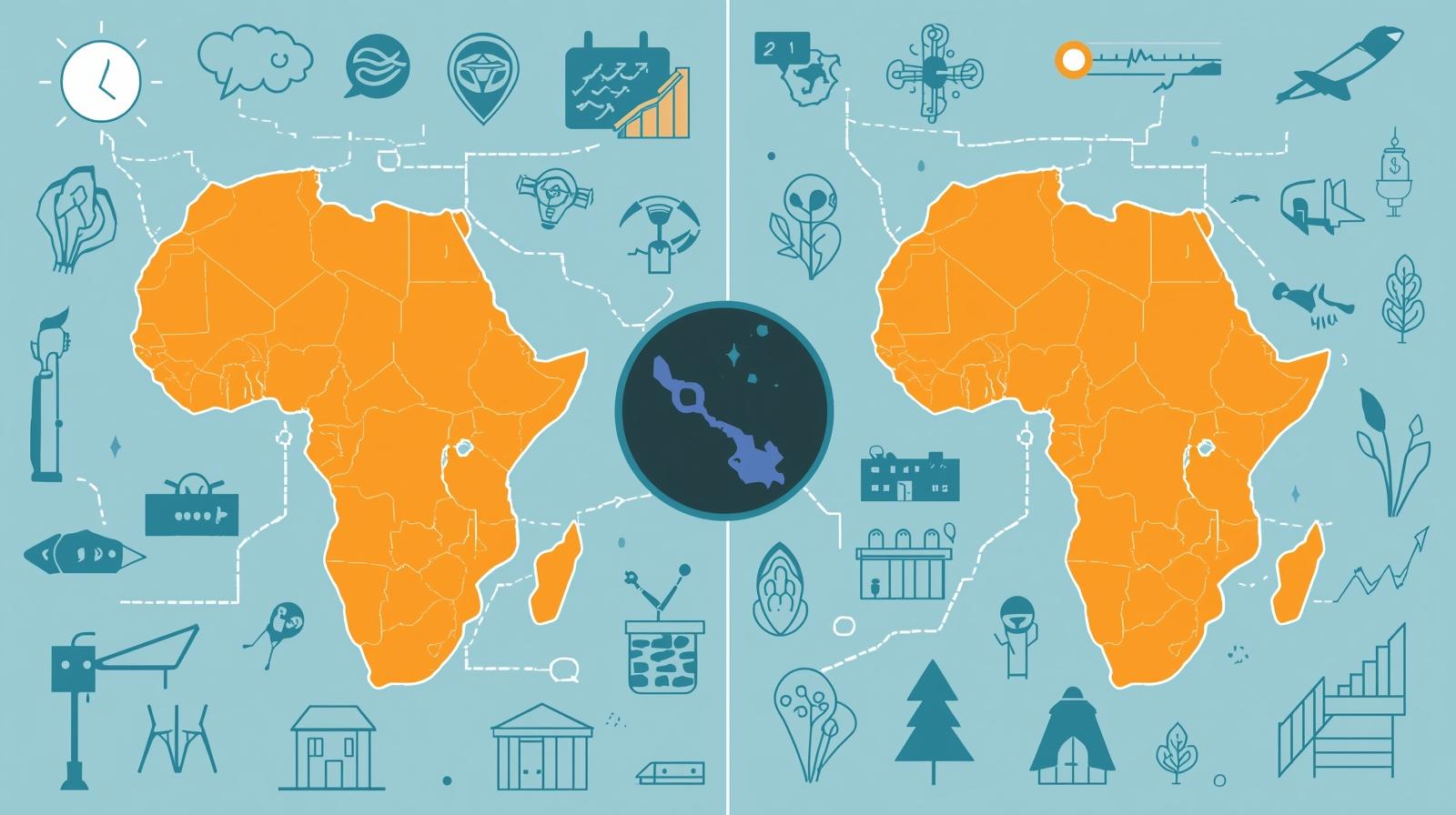
Localization, on the other hand, is much broader and deeper than translation. It goes beyond language conversion to adapt content, products, or services to the specific needs, preferences, and cultural nuances of a particular region or audience. Localization can include changes to text, imagery, design, user experience, currency, date formats, and even legal requirements to ensure that a product or service feels native to the target market.
In Africa, where communities are shaped by rich, diverse cultures localizing content isn’t just about language. It’s about understanding cultural codes, traditions, and values that make each market unique. Localization seeks to create a seamless, intuitive experience for local consumers, allowing them to connect with a brand on a deeper emotional level.
A good example of this is how brands like Coca-Cola adapt their campaigns to resonate with specific African audiences, using local languages, customs, and community values in their advertising to enhance engagement. In Kenya, for instance, where Swahili and English are widely spoken, a localized campaign would not only translate content into Swahili but also reflect local traditions, religious beliefs, and social dynamics in its messaging.
In addition, Africa is not a monolith. Even within a single country, languages, customs, and practices can vary dramatically. Localization ensures that businesses understand and reflect these distinctions. In the African context, brands must belong. This deeper adaptation builds trust and emotional resonance, two factors that are key to long-term success across Africa’s diverse markets.
Africa: Key Differences Between Localization & Translation
1. Language Nuances and Dialects
Africa has thousands of languages and dialects spoken across the continent. While countries like Nigeria, South Africa, and Kenya have official languages such as English, French, and Portuguese, many regions also have indigenous languages spoken by millions. Nigeria alone has over 500 indigenous languages, while South Africa boasts 12 official languages.
Translation might provide a basic understanding of content but often fails to capture the subtleties of indigenous dialects, slang, and idiomatic expressions. In many African cultures, language is deeply tied to identity, history, and heritage. Even a well-executed translation might fall short if it doesn’t use the right dialect or tone.
Localization, however, dives deeper into how people truly communicate. For example, a marketing campaign targeting youth in Lagos might use Nigerian Pidgin English, a widely understood form of expression that transcends formal translation. A brand that speaks Pidgin demonstrates cultural understanding and builds stronger emotional connections.
2. Cultural Relevance
African societies are rich in traditions, values, and ways of life. Localization requires an understanding of these cultural contexts. A brand entering an African market must not only speak the language but also connect emotionally through local customs and beliefs.
Take, for example, Muslim-majority countries in North Africa. A company marketing in Morocco or Egypt must consider religious and cultural practices. Localization might involve adjusting product offerings, visuals, or even campaign timing to align with Ramadan. Translation alone, however accurate, may overlook these nuances leading to misunderstandings or missed opportunities.
A localized campaign, by contrast, tailors messages to fit cultural and emotional expectations, increasing trust and relevance.
3. Market-Specific Preferences and Consumer Behavior
Consumer behavior across Africa is far from uniform. In South Africa, for example, internet access is high, and e-commerce adoption is growing quickly. In contrast, regions in East Africa rely more heavily on mobile-first ecosystems and mobile money services like M-Pesa.
Localization ensures that businesses adapt to these regional realities. It may involve designing an app that runs efficiently on low-end smartphones in one market, while adding advanced features in another. Payment preferences also vary, some markets rely on mobile money or cash-on-delivery rather than credit cards. Translation cannot account for such market-specific factors; localization can.
4. User Experience (UX) and Design Adaptation
In Africa, where most digital interactions occur on mobile devices, user experience is crucial. Localization ensures that websites, apps, and software meet the needs of local users. This includes mobile optimization, language variety, and integration with familiar payment methods.
For instance, a banking app in South Africa might include multiple language options to reflect the country’s 12 official languages, while in Kenya, Swahili alone may suffice. A well-localized platform ensures accessibility, usability, and trust, going far beyond what translation alone can achieve.
Localization as a Business Imperative
In a continent where diversity is a defining characteristic, localization isn’t a luxury, it’s a necessity. African markets are not homogeneous, and successful entry depends on understanding local tastes, languages, and customs. Brands that fail to localize risk alienating consumers, losing relevance, and missing out on growth opportunities.
As Africa’s digital infrastructure strengthens, demand for localized content will only grow. Businesses that embrace localization today are positioning themselves for deeper engagement and stronger brand loyalty tomorrow.
Still, localization raises tough questions: Can businesses afford to localize for every market? Could over-localization make a brand too niche? How can companies balance cultural depth with operational scalability across a continent so vast and varied?
The key lies in strategic localization, prioritizing major markets and languages first, and expanding gradually through partnerships, local talent, and adaptive frameworks.
Speaking to the Heart
In Africa, translation ensures comprehension, but localization builds connection. Translation helps people understand what you say; localization helps them feel understood. For businesses looking to thrive on the continent, success lies not just in speaking the language but in speaking to the heart of the people. Those who embrace Africa’s diversity, linguistic, cultural, and experiential, will not only be heard, but remembered.