
Localization Trends in Nigeria
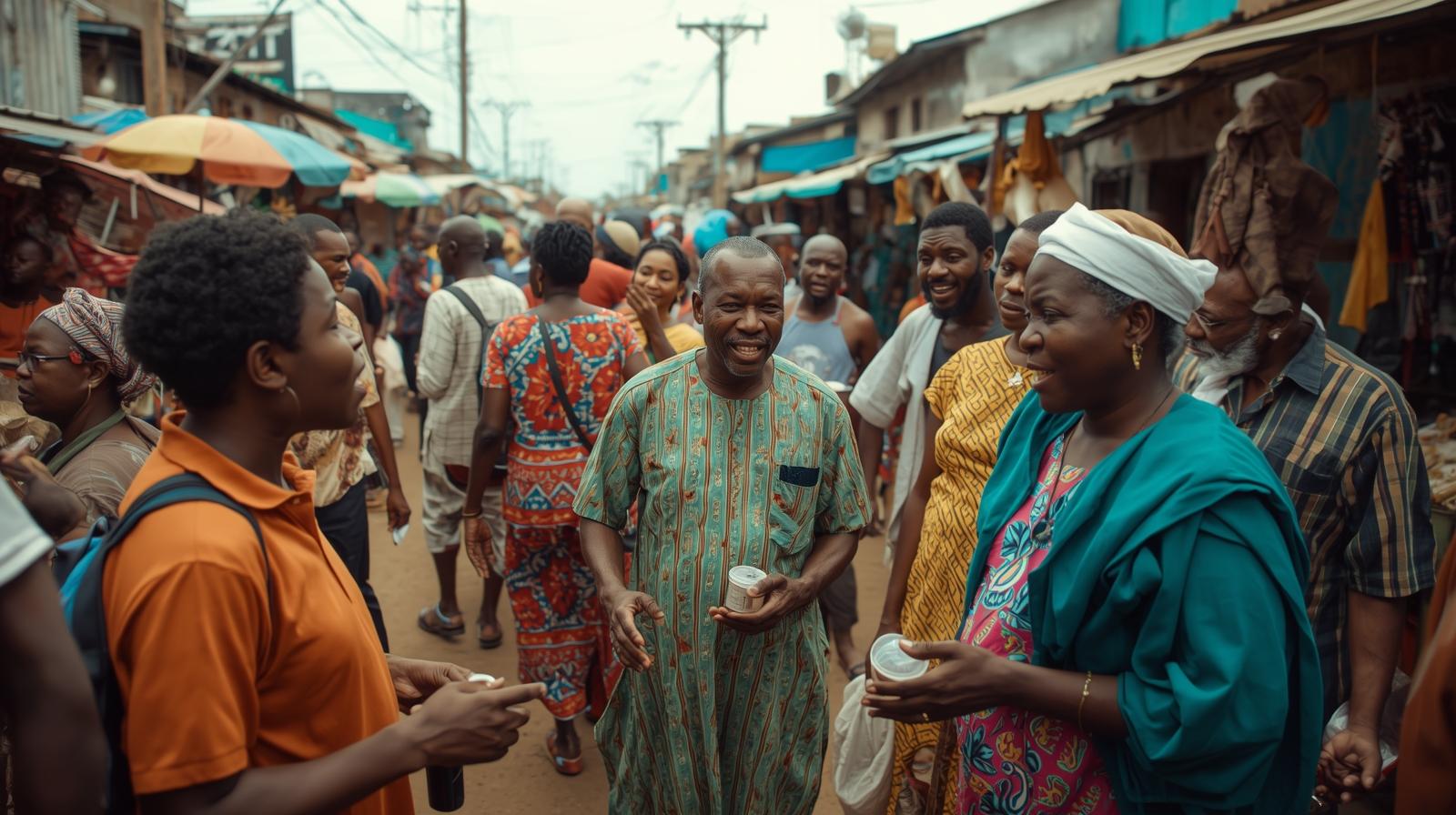
Nigeria’s localization landscape is as vibrant and complex as its cultural landscape. With over 500 languages spoken across the country, localization is a cultural necessity. As digital adoption accelerates in 2024 and 2025, businesses, governments, and content creators are learning how to navigate Nigeria’s multilingual reality to reach wider audiences and create meaningful engagement. Nigeria is Africa’s most populous country, home to over 220 million people, and its linguistic diversity is staggering. The three largest languages, Hausa, Yoruba, and Igbo, serve as dominant regional languages and are spoken by tens of millions. English, the official language, acts as the lingua franca in education, government, and commerce.
As of mid-2025, Nigeria’s population is estimated at approximately 237.5 million, making it the most populous country in Africa and the sixth globally. This figure represents about 2.89% of the total world population. The median age in Nigeria is 18.1 years, indicating a predominantly young population.
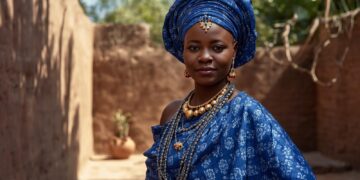
While English remains central to formal communication, indigenous languages thrive in everyday life and culture. The Nigerian entertainment industry, especially Nollywood, has been a major force in promoting indigenous languages through films, music, and drama. This cultural momentum is now influencing localization strategies across various sectors.
Growing Demand: Indigenous Language Content
In recent years, there has been a clear shift toward producing digital content in Nigeria’s indigenous languages. Social media platforms like TikTok, Instagram, and YouTube feature creators who use Hausa, Yoruba, and Igbo to connect with local audiences authentically. This trend has encouraged brands and advertisers to adopt localization strategies that go beyond simple translation to embrace cultural nuances and idioms. Government and public services are also beginning to explore localization. Efforts to provide health, agricultural, and educational information in indigenous languages have increased, recognizing that linguistic accessibility is key to reaching rural and underserved communities.
On the other hand, technological advancements have made localization in Nigeria more feasible and effective. The development of natural language processing (NLP) tools and speech recognition systems for major Nigerian languages is gaining ground. Tech startups and academic institutions are collaborating to build language datasets, dictionaries, and machine learning models that can power chatbots, voice assistants, and translation apps. Mobile penetration in Nigeria exceeds 90 percent, making smartphones a primary access point for many Nigerians. This widespread connectivity opens opportunities for localization to improve user experience across apps, e-commerce platforms, and digital banking services.
Challenges: Standardization and Digital Inclusion
Despite progress, localization in Nigeria faces significant challenges. Many indigenous languages, such as Ijaw, Kanuri, Nupe, and Ebira, lack standardized orthographies and widely accepted writing systems. This complicates the creation of consistent digital content and the development of tools like autocorrect systems, language keyboards, or machine translation engines. Even major languages like Yoruba, Hausa, and Igbo, while better resourced, contain numerous dialects. For instance, Hausa spoken in northern Nigeria can differ subtly from that in Niger or Ghana, while Igbo includes distinct variations spoken across Abia, Anambra, and Enugu states. These differences make it harder to implement uniform localization solutions that resonate with all speakers.
Digital inclusion remains uneven across the country. Urban centers like Lagos, Abuja, and Port Harcourt benefit from widespread 4G coverage, better infrastructure, and higher digital literacy rates. These cities are hubs for content creators and tech-savvy entrepreneurs. In contrast, rural communities in states like Borno, Kogi, Zamfara, and Taraba face significant limitations. In areas such as Kaura Namoda in Zamfara or Lokoja’s surrounding villages in Kogi, many residents still rely on radio or in-person communication due to weak internet coverage and low smartphone penetration. These rural regions are where languages like Fulfulde, Idoma, or Mumuye are more commonly spoken than English, making them critical zones for inclusive localization strategies. The digital divide between these urban and rural contexts risks reinforcing existing inequalities. If digital content continues to be predominantly produced in English or limited to major cities, milllions of Nigerians could be excluded from full participation in the digital economy and civic life.
Looking Ahead: A Multilingual Digital Future
The localization trends in Nigeria reflect a country embracing its linguistic wealth in the digital age. Success will require ongoing collaboration between technologists, linguists, policymakers, and communities. Investment in language technology, education reform to support bilingualism, and infrastructure expansion to bridge the digital divide will be critical.
As Nigeria continues to grow as Africa’s digital powerhouse, localization will be essential not only for business growth but for cultural preservation and social inclusion. The future belongs to those who can speak the language of the people literally and figuratively.